functional art
the alchemy of grounding the abstract in the objects we touch every day
genesis
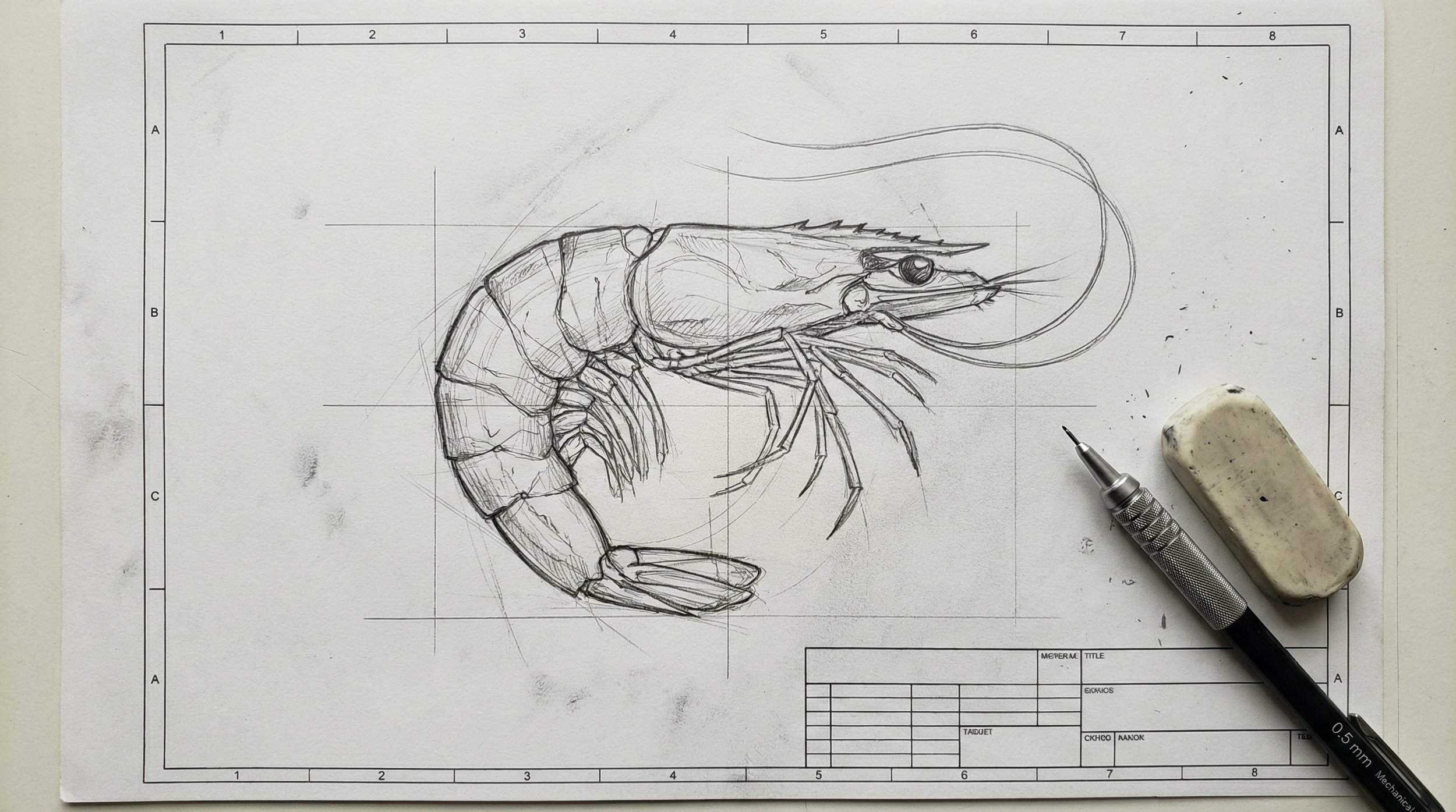
Developing the idea and the initial sketch.
Each work begins on paper: research, drawing, and composition. The design is born in the mind as a vision emerging from the sum of several key factors. What ultimately appears on the porcelain is a blend of this practice, the emotions it evokes in me, the sunlight falling on the surface, and an unbridled need to mix elements that seem mismatched at first glance.
The porcelain itself matters, too. The final image is developed for a specific porcelain form and its proportions, as one approaches a simple plate differently than a sophisticated platter. All these complex design processes must finally become a sketch, which I manually transfer onto the porcelain using carbon paper. And then, the magic happens.
decoration
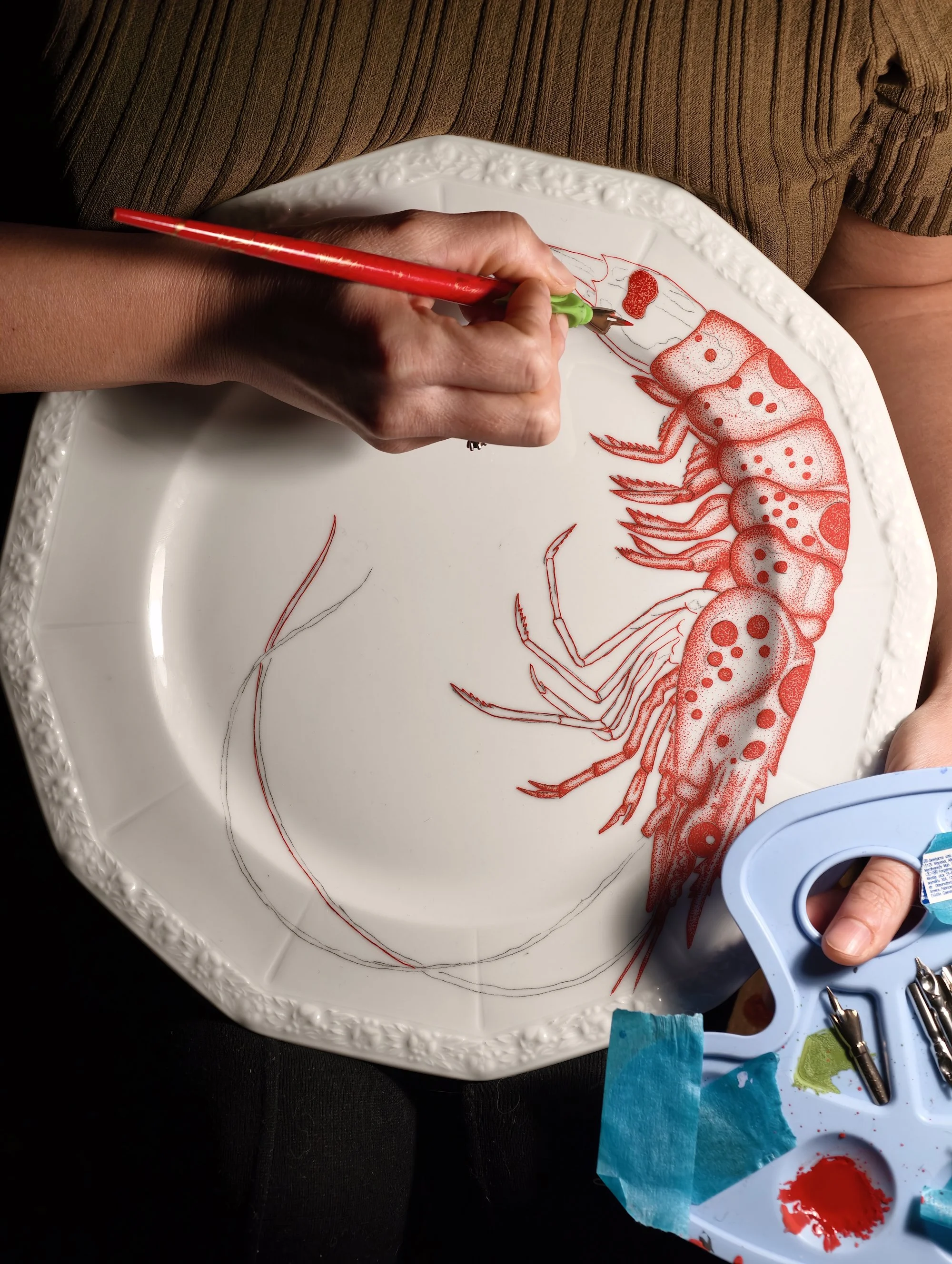
Bringing the vision to life on porcelain with the precision of a nib.
Porcelain painting is a demanding art form where none of the pieces want to fit at first. It starts with powdered pigments that must be mixed by hand, painstakingly removing every single lump. You have to laboriously add thinner, which evaporates so quickly that the shade of the paint is constantly shifting. Then there is the struggle with the tools, forcing a nib designed for ink rather than heavy paint to cooperate with the porcelain surface. Even the temperature plays a role, as the paint only applies perfectly within a specific range. And finally there is the human element, me. That is the hardest obstacle to overcome.
firing
Locking the ink in time. Permanence through fire.
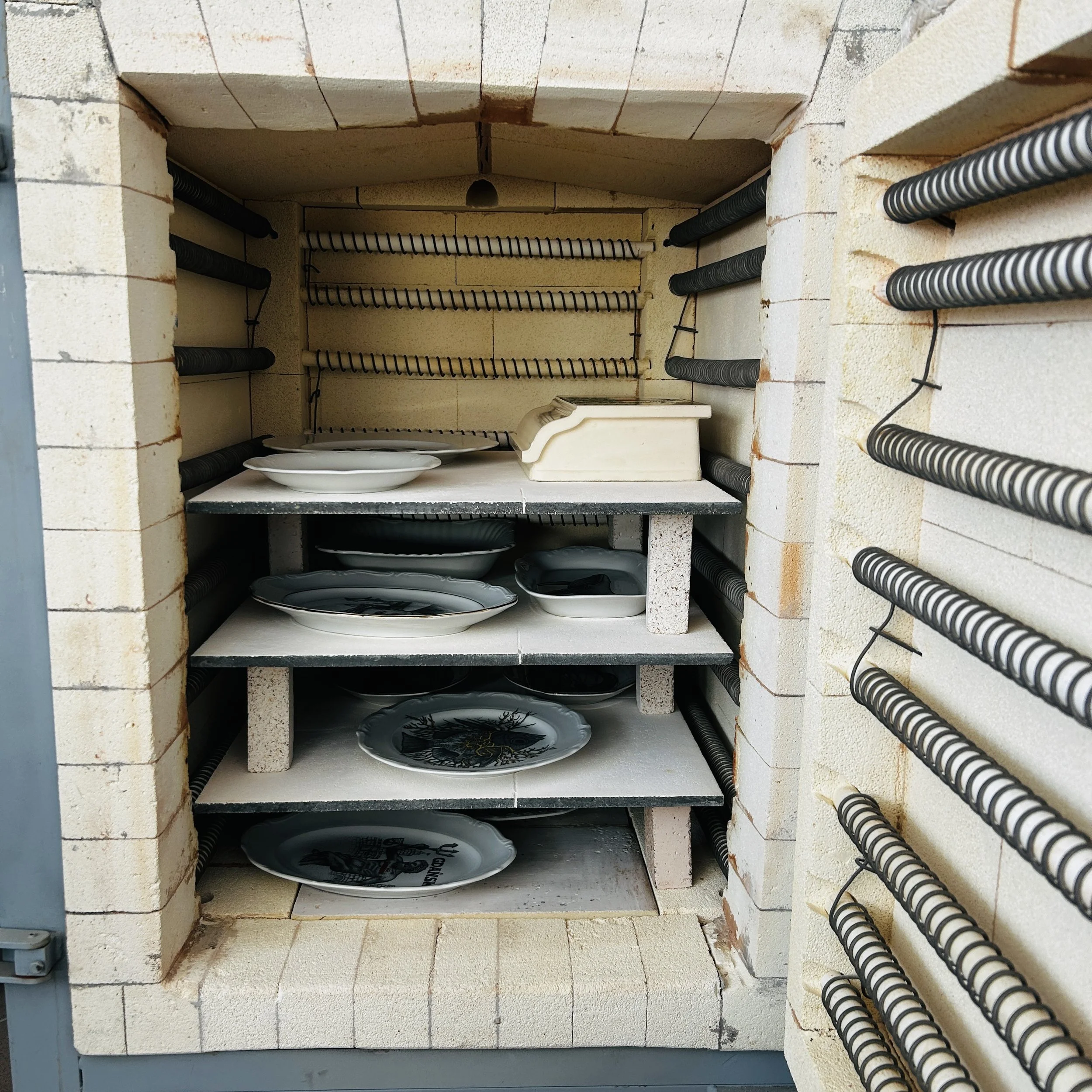
Firing is the process of encapsulating the vision of both the client and the artist into a physical object. This is where physics meets metaphysics: we capture something ephemeral and indescribable, locking it into a unique form. The client's emotions and intentions are fused with the artist's passion, vision, and feelings.
Technically, we heat the porcelain to hundreds of degrees Celsius to melt the glaze and permanently seal the decoration within it. This requires expert knowledge. The entire process must be strictly controlled. Precise temperature increases and gradual cooling are essential to prevent damage to the porcelain or the design.
departure
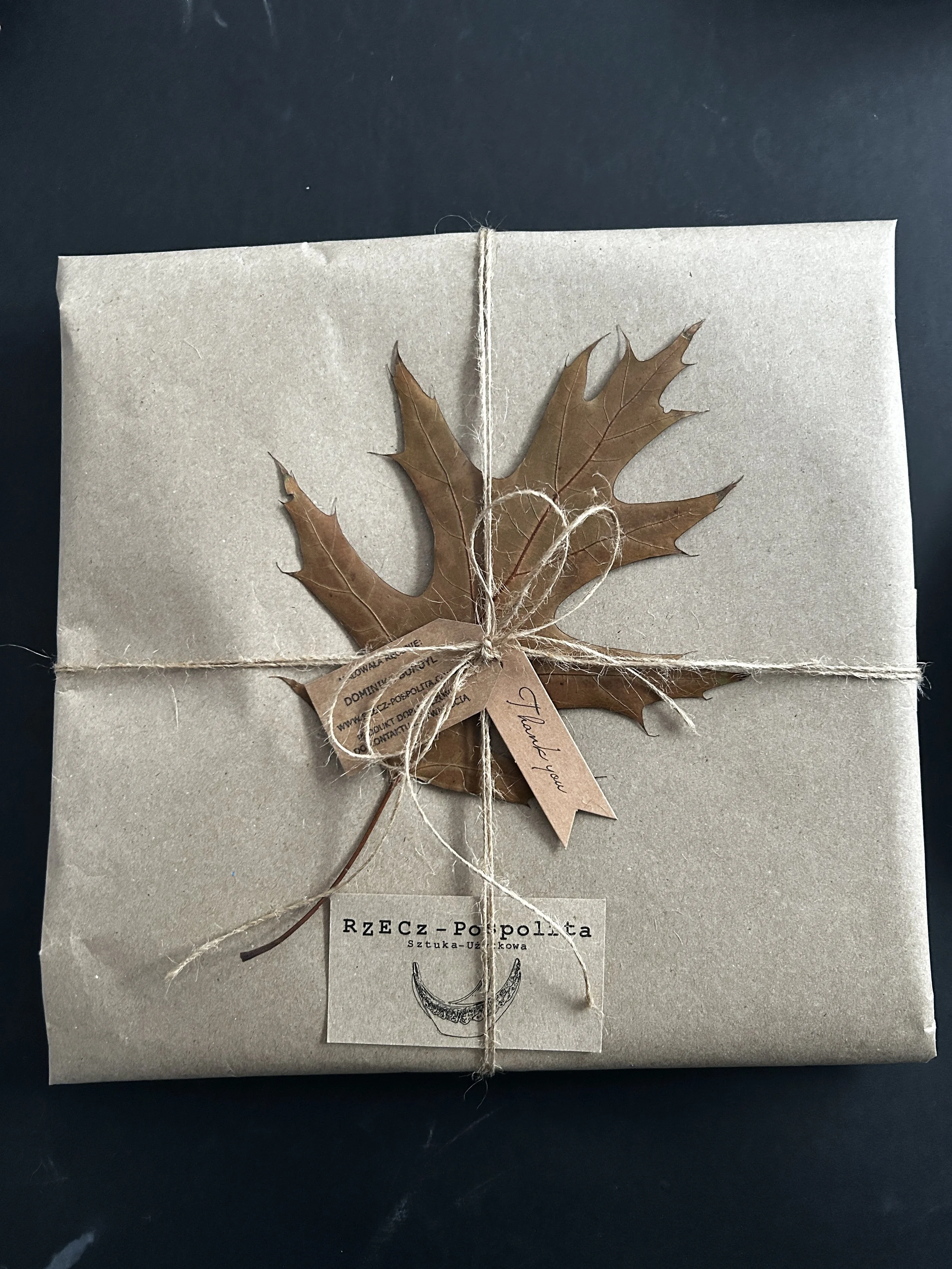
Every piece is secured with the same precision used in its creation.
Packaging and delivery are just as vital as every preceding step of our process. This success stems directly from our meticulous attention to detail and my extensive experience with collectible porcelain, which has been my passion for years. I have always shipped these delicate items frequently and I possess the expertise to do it correctly. When you are shipping white gold, you must know exactly what you are doing. While this might seem obvious, it is a crucial piece of the puzzle. We work exclusively with trusted couriers and ensure that every item is packed in a way that makes you feel truly special.
To set the ceramic ink, the porcelain is fired in a dedicated kiln at temperatures exceeding 800°C. This process ensures the design is permanent, safe, and dishwasher-secure. The structure of the decoration slightly protrudes above the surface of the porcelain and can be felt under the finger. This is a natural characteristic of the overglaze decoration process.
The product is certified for food contact according to the following standards: PN-EN 1388-1:2000+Ap1:2002 and PN-B-13210:1997. We hold official certificates and test reports for glass and ceramic products intended for food contact, confirming that lead and cadmium release levels do not exceed the permissible limits. The tests were conducted at the Institute of Ceramics and Building Materials in Warsaw.